
Resources
News, research, and campaigns
The latest updates on digital rights from West Asia and North Africa


Be part of Bread&Net 2026! ͏ ͏ ͏ ͏ …
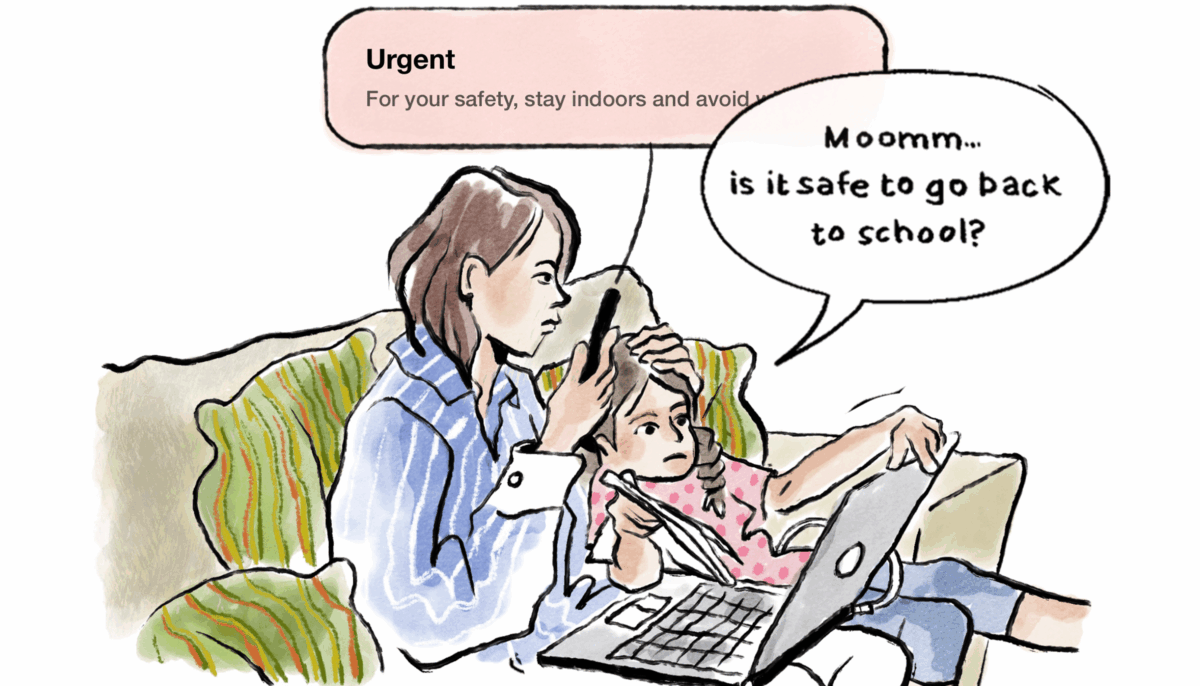
Ceasefire extended: Digital rights don’t pause ͏ ͏ ͏ ͏ …

A year has passed since Bread&Net 2025. The questions raised in those sessions: who controls digital infrastructure, who bears the…
Since the United States and Israel launched strikes on Iran on February 28, 2026, triggering a wave of Iranian missile…
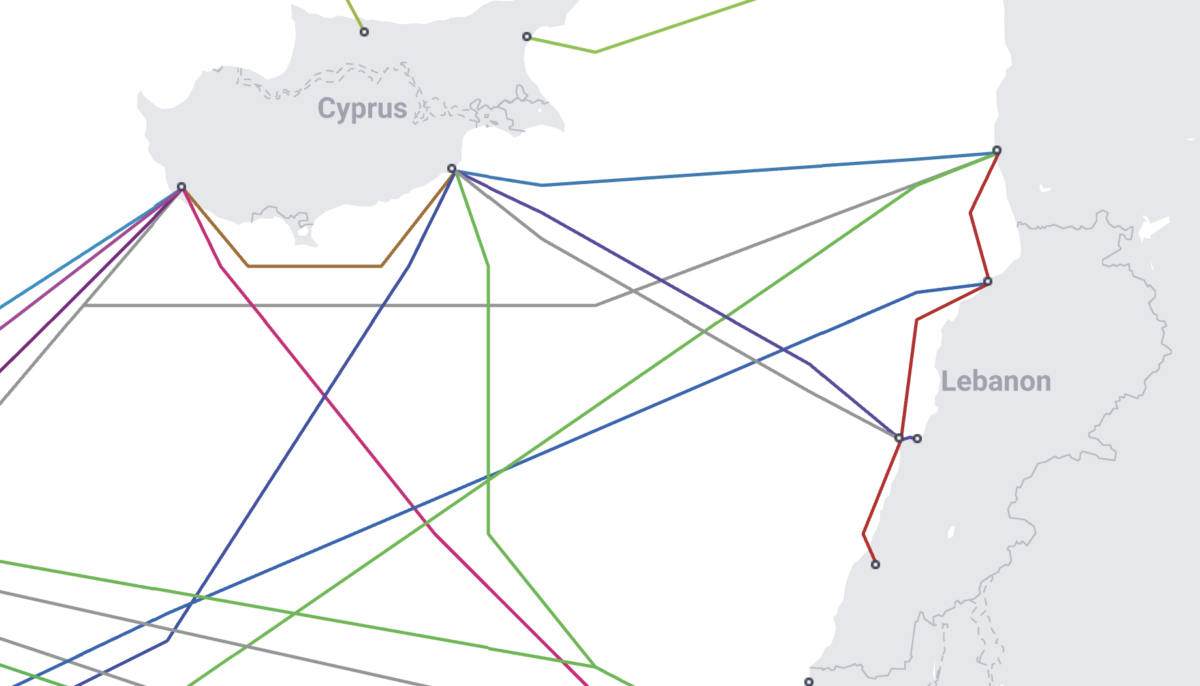
Subsea cables are the hidden infrastructure of the internet. They are fiber-optic systems laid across seabeds, carrying around 98 percent…
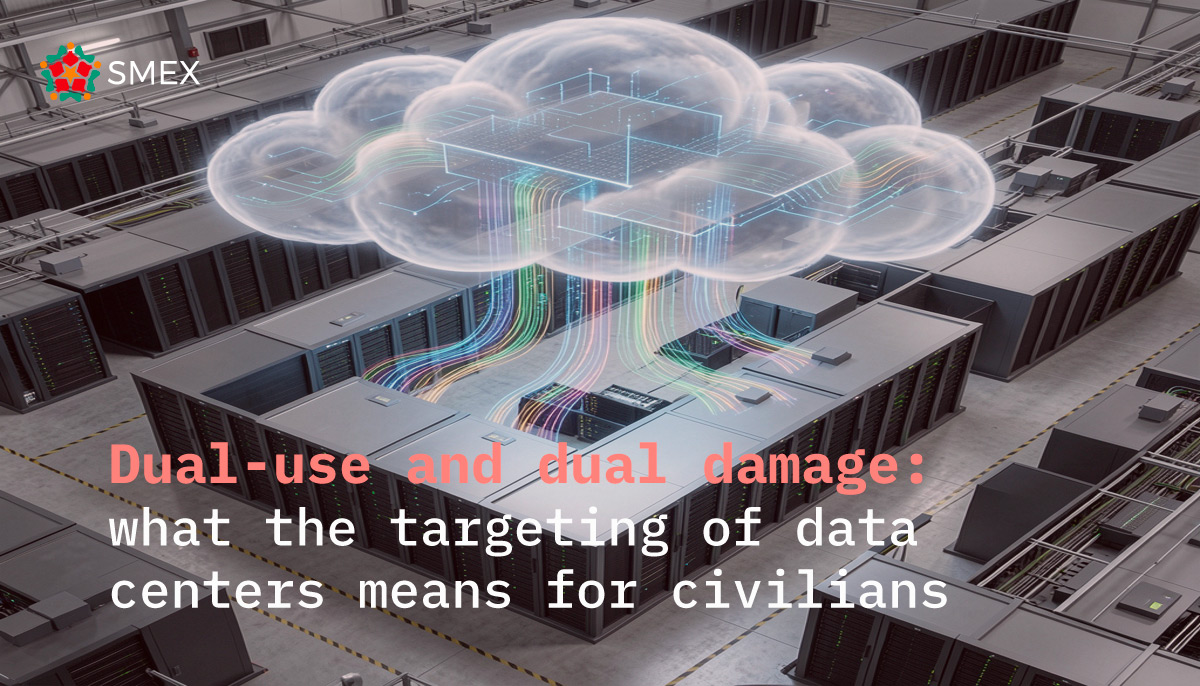
For the first time in military history, private-sector commercial data centers have been deliberately targeted and damaged in an active…
RightsCon 2026, one of the biggest in-person convenings for digital rights, was de facto cancelled after Zambia’s government postponed it…