
Resources
News, research, and campaigns
The latest updates on digital rights from West Asia and North Africa


Introduction On June 4th, the Oversight Board (OSB) published its first case decision on disabled accounts, extending “its mandate beyond…

Earlier this month, Meta announced that it had detected a new spear-phishing attempt linked to the Israeli surveillance group NSO,…

Every few months, a new AI image trend takes over social media. In early 2025, millions uploaded their photos to…
Be part of Bread&Net 2026! ͏ ͏ ͏ ͏ …
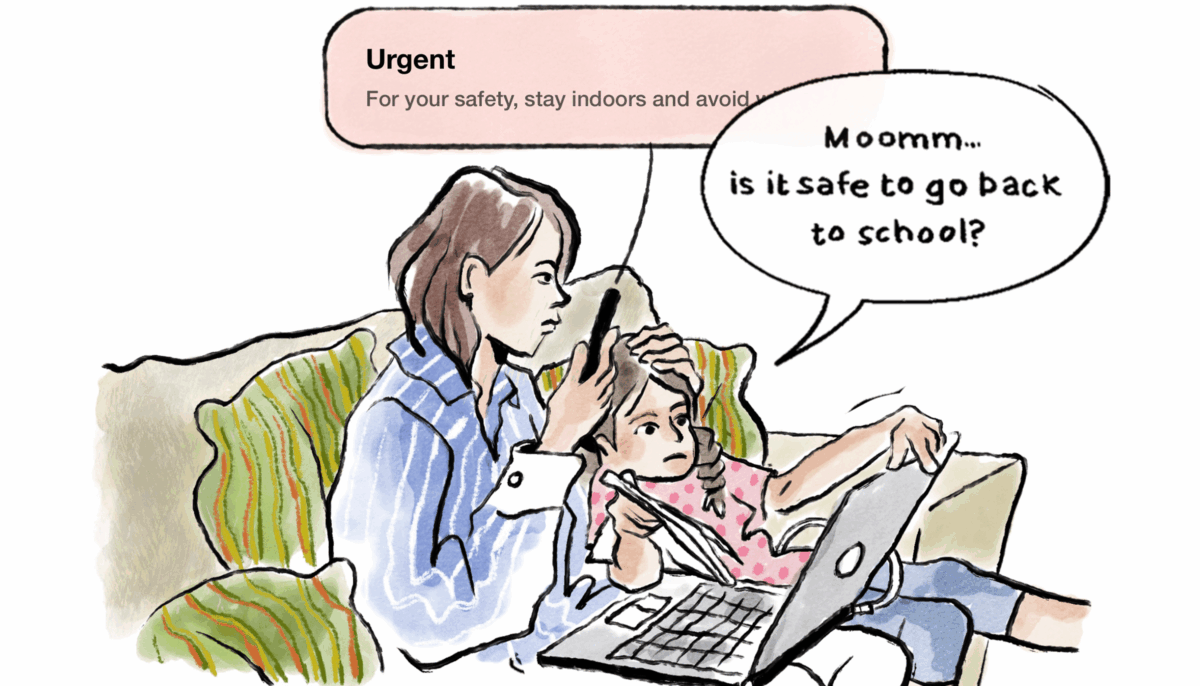
Ceasefire extended: Digital rights don’t pause ͏ ͏ ͏ ͏ …
A year has passed since Bread&Net 2025. The questions raised in those sessions: who controls digital infrastructure, who bears the…
Since the United States and Israel launched strikes on Iran on February 28, 2026, triggering a wave of Iranian missile…